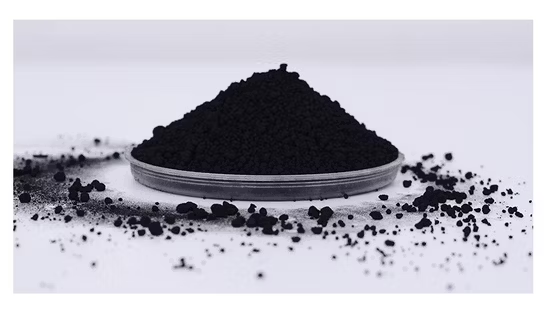
High-purity recovered Carbon Black (rCB) from non-recyclable plastic waste is an emerging solution for sustainable carbon production. Here’s what you should know:
1. Production Process
The process typically involves pyrolysis or plasma-based treatment, where plastics are thermally decomposed in an oxygen-free environment, yielding rCB as a byproduct.
- Plasma Pyrolysis: Offers ultra-high temperatures (3000–10,000 K), leading to nearly impurity-free carbon black.
- Conventional Pyrolysis: Operates at lower temperatures (~500–800°C) and may require additional purification steps.
2. Purity Factors
High-purity rCB depends on:
 Feedstock Control – Using high-carbon plastics (e.g., polyethylene, polypropylene) instead of mixed waste.
Advanced Filtration – Removing inorganic residues like silica, metals, or chlorine.
Post-Treatment – Thermal or chemical refining enhances surface properties and reduces volatiles.
3. Applications of High-Purity rCB
- Tire & Rubber Industry – Used as a sustainable filler for high-performance applications.
- Plastics & Coatings – Improves mechanical properties and UV resistance.
- Batteries & Conductive Materials – High-purity rCB can serve as a key component in lithium-ion battery anodes.